

Things I wish I knew before studying in the UK
Things I wish I knew before studying in the UK
When I decided to pursue a Master’s in Social Work in the United Kingdom, I was driven by purpose, curiosity, and ambition. I had a vision of becoming a social worker. My research had shown that the UK offered excellent educational standards in social work, a strong regulatory framework, and countless professional opportunities. The next big decision was choosing a university, and I found that Buckinghamshire New University (BNU) aligned with my goals in terms of affordability, support for international students, and a curriculum that focused on practical, real-world learning.
But like many international students, I stepped into this new chapter of life with limited knowledge of what the journey would really be like. Now, having successfully completed my first year in the UK, I often reflect on the things I wish someone had told me before I boarded that flight. This blog is my honest reflection of those lessons.
1. The Admissions process is only the beginning
Before coming to the UK, I spent a great deal of time researching courses, comparing universities, and completing the application process. The steps seemed straightforward: gather academic transcripts, write a personal statement, submit English language proof, and wait for an offer. But the reality was more complex. Each step came with hidden layers, waiting for feedback, clarifying admission queries, and constantly refreshing email inboxes. While BNU’s admissions team was supportive and responsive, I wish I had known how emotionally exhausting the uncertainty can be, especially when you’re applying from a different time zone.
Even once I received my offer letter, there were further formalities, CAS (Confirmation of Acceptance for Studies), paying deposits, securing accommodation, and applying for the student visa. The visa application process in itself was intense. From arranging a TB test to financial documentation to attending biometric appointments, I often felt like I was balancing a stack of responsibilities. Looking back, I would advise any aspiring international student to start early, be patient, and double-check every detail. Most importantly, don’t hesitate to reach out to your university’s international office - they truly are there to help.
2. Financial planning needs to go beyond tuition fees
When I planned my finances, I calculated tuition fees, visa charges, and flight tickets. However, I hadn’t truly considered the living costs in the UK. Things like monthly rent, groceries, phone bills, public transport, study materials, winter clothing, and even occasional medical prescriptions added up quickly. I took a student loan from my home country to support my education, but I wish I had factored in all these expenses more accurately beforehand.
Luckily, I discovered that BNU offers part-time job opportunities for students - such as roles in the campus café, as a student ambassador, or within the Students’ Union. These helped not just with finances, but also in building confidence and integrating into the university community. That said, managing part-time work while studying full-time requires careful time management. I also learned about budgeting apps and discount cards (like TOTUM) only after arriving, these are essential tools for managing student life on a budget.


3. Accommodation isn’t just about a roof over your head
Before arriving, I applied for Brook Street accommodation, which turned out to be a good decision. It was affordable, secure, and just a 10-minute walk from campus. But what I hadn’t expected was the emotional importance of where you live. Being in student accommodation gave me an immediate community. In those early weeks when everything felt unfamiliar - new accents, unfamiliar food, and the absence of family - knowing I could walk down the hallway and speak to someone going through the same experience was extremely comforting.
I would recommend future students to consider university-managed accommodation, at least for the first year. The safety, location, and social benefits make it worthwhile. Additionally, the presence of senior residents and on-site support staff helped me feel at ease, particularly during moments of homesickness or confusion.
4. Weather is not just small talk
Coming from a different climate, the British weather was one of the hardest adjustments. The days were shorter, the skies greyer, and the winds colder than I had imagined. At first, I underestimated how much this could affect my mood and energy. The lack of sunlight during winter months often made me feel sluggish and demotivated, a feeling I later learned was quite common among international students.
What I wish I knew earlier is that seasonal changes in the UK require lifestyle adjustments. Investing in good quality winter clothing, taking daily walks even when it’s cold, and maintaining a regular sleep routine helped a lot. I also found the university Gateway Gym membership was a great way to stay physically active and mentally balanced during these months. Physical movement helped me overcome those grey-day blues and kept me focused on my studies.
5. Academic culture is different and that’s okay
The academic system in the UK was quite different from what I was used to. There is a heavy emphasis on independent study, critical thinking, and reflective writing. Group discussions, tutorials, and presentations were not just occasional - they were central to learning. At first, I felt nervous contributing in class due to my lack of confidence in speaking English fluently. I often found myself short of words during conversations or struggling to express my views the way I wanted.
But one of the best things about BNU is the supportive classroom environment. Tutors were incredibly encouraging, and my classmates were kind and inclusive. The language support services and skills workshops run by the university helped me gradually build confidence. I wish I had known how normal it is to feel self-conscious at first and how important it is to keep participating, even when it feels difficult. Practice truly makes progress.
6. Placements can be life-changing but also demanding
Before arriving, I had only a vague idea of what a placement in social work meant. I assumed it would be an observation-based experience. Instead, I found myself immersed in real casework during my first placement with Buckinghamshire Council’s Children Safeguarding Team. From writing assessments and attending strategy meetings, to direct work with children to engaging with multi-agency professionals - this was true hands-on learning.
I felt empowered, but also overwhelmed at times. I had to manage academic deadlines alongside placement responsibilities, and the emotional intensity of some cases stayed with me long after I left the office. Thankfully, BNU prepares students well with pre-placement training, skills days, and reflective supervision sessions. Each student is supported by a Practice Educator, an Onsite Supervisor, and their personal tutor. A circle of support that becomes crucial in navigating the challenges of frontline social work.
If there’s one thing I wish I knew earlier, it’s that placements are not just part of the course - they are the heart of it. They shape your understanding, build resilience, and give you clarity about the kind of social worker you want to become.
7. Community is everything
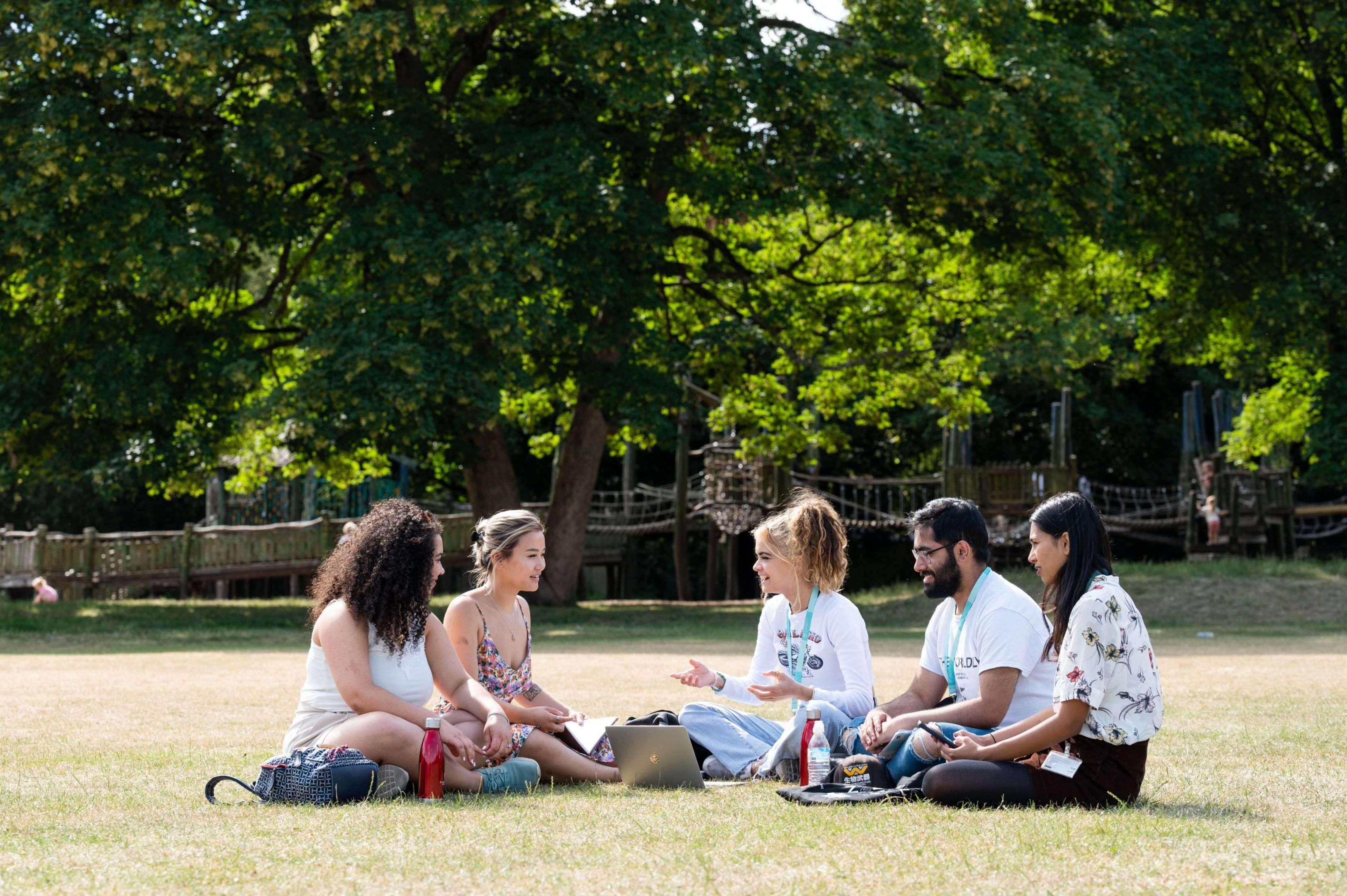
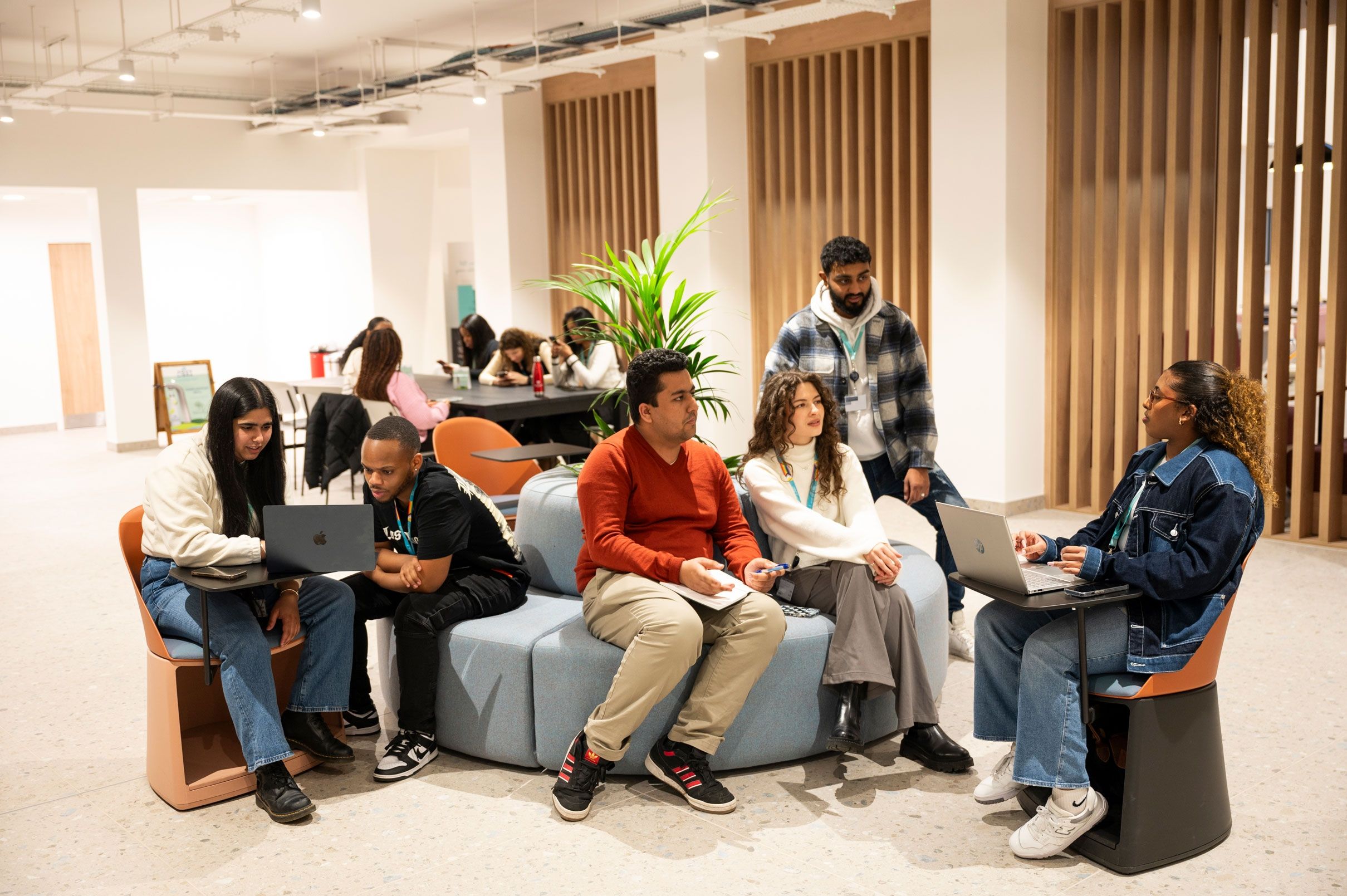
When I arrived in the UK, I expected to be independent. But what I learned is that no one truly thrives in isolation. The importance of building connections, whether with classmates, lecturers, placement colleagues, or the local community, cannot be overstated. My role as a Student Ambassador helped me meet people from different backgrounds and cultures. Volunteering for freshers’ events and engaging with the Students’ Union provided opportunities to give back and feel part of something larger.
I also found simple things like joining university events, study groups, or even exploring High Wycombe with friends made a big difference. The university offers a cycle rental scheme for students with a small deposit, which made it easy to travel and discover nearby places affordably.
8. Homesickness is normal, but manageable
Even with all the excitement of studying abroad, there were moments when I missed home deeply. Cultural differences, food habits, festivals, or even hearing my native language - these gaps became more visible over time. But I learned that homesickness doesn’t mean weakness, it means you love where you came from.
Staying in regular touch with family, celebrating festivals with fellow international students, and carrying some comfort items from home helped me stay emotionally grounded. Over time, the UK began to feel like a second home. And with every small win, whether it was submitting a difficult assignment or finishing a long day of placement, I grew a little more rooted.