

Comment: Reflections on IWD 2026 - the quiet labour we refuse to see
Read Buckinghamshire New University's Professor of Leadership and Strategic Communication and Pro Vice-Chancellor for External Collaborations Sarah Williams’ comment piece on the 'Give to Gain' theme for International Women's Day 2026.
I’ll be honest. When I first saw the theme for International Women’s Day 2026, ‘Give to Gain’, I felt a familiar, low-level unease. I’ve been in and around conversations about gender and professional life long enough to notice when something that sounds generous is actually asking women to do more. Again.
And so, my initial read was this: here we go, another invitation for women to mentor more, network more, sponsor more, give more of ourselves, and trust that one day, somehow, the reciprocity will materialise. But I sat with it. And I started to wonder whether I was reading the wrong subject into the sentence. What if “give to gain” isn’t primarily a message for women at all? What if the subject of that sentence is “everyone else”?
The work we don’t see
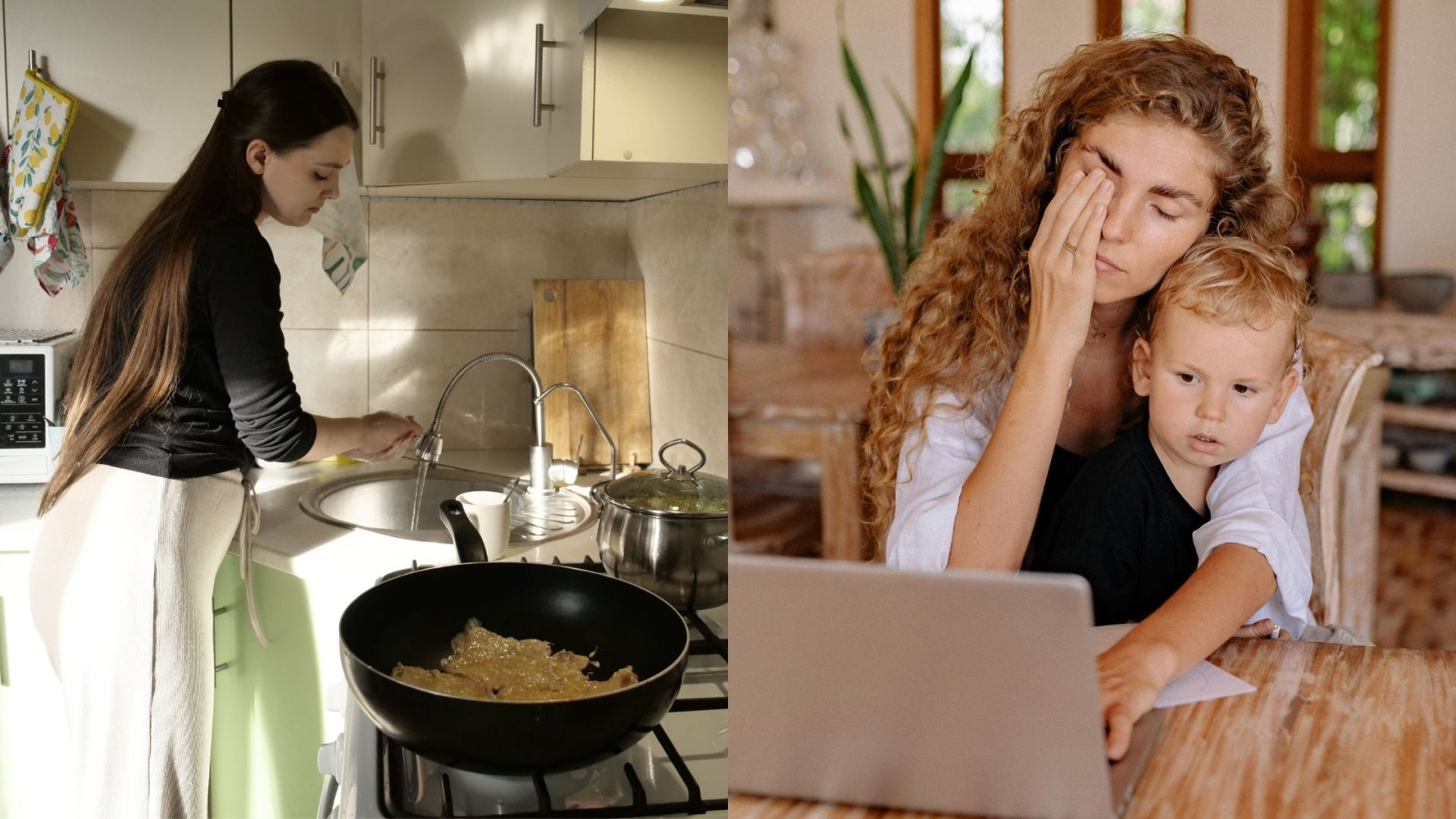
In the book I co-edited with Liz Bridgen, Women’s Work in Public Relations, we started from a deceptively simple observation: the everyday work of women in PR, from negotiating with journalists to orchestrating campaigns that change lives, remains largely unseen. Invisible. Not because it isn’t happening, but because we have collectively decided not to look at it.
The title of our introduction captures this precisely: “Because We Never See It Doesn’t Mean It Never Happens.” It’s a line that keeps coming back to me. Not just in the context of public relations, but in the broader landscape of women’s professional lives. The labour is there. The contribution is there. The skill, the creativity, the emotional intelligence. It’s all there. What’s missing is the witnessing of it.
This is where the first reading of Give to Gain becomes quietly troubling. If women are being asked to give more, more visibility, more mentoring, more acts of generosity, without any structural shift in who does the seeing, then we are simply asking women to perform their own recognition. And that is exhausting. It is also, I would argue, a form of gaslighting dressed in the language of empowerment.
The glittering lie of the gig economy
I’ve been thinking about this a lot in the context of my chapter in Gender and Freelancing in the Communication Industries (Anton & Moise, 2025), a collection which makes a similar kind of argument about freelancing. The gig economy is often sold to women as liberation, autonomy and flexibility, the chance to step out of organisations that weren’t built for them.
And there is truth in that. But beneath the shiny surface lies something more complicated. What the research consistently reveals is that women who freelance are navigating precarity, professional isolation, and exclusionary networks, often while managing a disproportionate share of domestic and caring responsibilities. They have given up the security of employment in exchange for a form of freedom that is frequently constrained by the very gendered structures they were trying to escape. The giving, in other words, is front-loaded and personal. The gaining is contingent, partial, and often withheld.
Who gives? And who gains?
So let’s try the other reading. Let’s say that Give to Gain is a message for male colleagues, for senior leaders, and for the people who hold structural power in organisations and industries. What does it ask of them?
Give time: Not performative time, but genuine engagement. To sit in the discomfort of conversations about gender and not immediately reach for data or policy as a way of keeping things abstract.
Give credit: To notice and name the contributions of the women around them. In meetings, in documents, in conversations with clients and boards. The research in Women’s Work in Public Relations is full of women who have watched their ideas attributed to someone else or their names quietly removed from the narrative.
Give up comfortable assumptions: Giving also means giving up old narratives and the limiting beliefs that have been dressed up as meritocracy for decades.
Give sponsorship, not just mentorship: Mentorship says: I will help you become better. Sponsorship says: I will put my credibility on the line for you. The first is generous. The second is genuinely transformative.
What the gaining looks like
I am aware that there is a risk of falling into the familiar trap of making the ‘business case’ for women’s advancement. While I understand why that argument exists, I also think it is worth saying, plainly: the gaining isn’t just economic.
What changes when organisations genuinely invest in women is the texture of the culture. The quality of the listening. The breadth of what gets counted as valuable. In both books I’ve been involved in, across chapters spanning Brazil and Bosnia, Turkey and the UK, what emerges is not just a picture of constraint but of remarkable resilience, creativity, and solidarity. These are the qualities that sustain organisations through difficulty. Seeing them is itself a form of giving; it requires attention, which is one of the scarcest currencies in professional life.
A word to my fellow women
I don’t want to let women entirely off the hook here, but I want to reframe what giving might mean for us. There is a kind of giving that is genuinely ours to do: Giving voice. Not just our own, but to the women behind us and beside us whose experiences haven’t yet made it into the room. One of the things I find most powerful in editing the Women’s Work in Public Relations series is the sheer range of what “being a woman” in industry could mean: from the career-changers and the mothers negotiating maternity, to the women in post-conflict zones doing extraordinary work in conditions most will never face. Refusing the simplification of our experience is an act of resistance.
What I’m left with
If IWD 2026 is to mean anything, it is surely an invitation to rebalance the equation. Not by asking women to give less, I’m not sure we’d know how, frankly, but by finally, seriously, asking everyone else to give more.
Give time. Give credit. Give sponsorship. Give up the comfortable assumptions. Give voice to those you’ve previously not heard. Give space for the kinds of careers and lives that don’t fit the templates we’ve inherited.
And watch what we all gain.
Sarah Williams is Professor of Leadership and Strategic Communication and Pro Vice-Chancellor for External Collaborations at Buckinghamshire New University. She is co-editor, with Elizabeth Bridgen, of Women’s Work in Public Relations (Emerald, 2024) and a contributor to Gender and Freelancing in the Communication Industries (Emerald, 2025).