

5 top tips for a first year Interior and Spatial Design student
5 top tips for a first year Interior and Spatial Design student
I am a first year Interior and Spatial Design student at Buckinghamshire New University in High Wycombe. I would have loved to know these 5 tips for this course before I started it. So, if you are interested, please keep reading as I tell you 5 top tips for a first year Interior and Spatial Design student.
1) Buy materials in advance
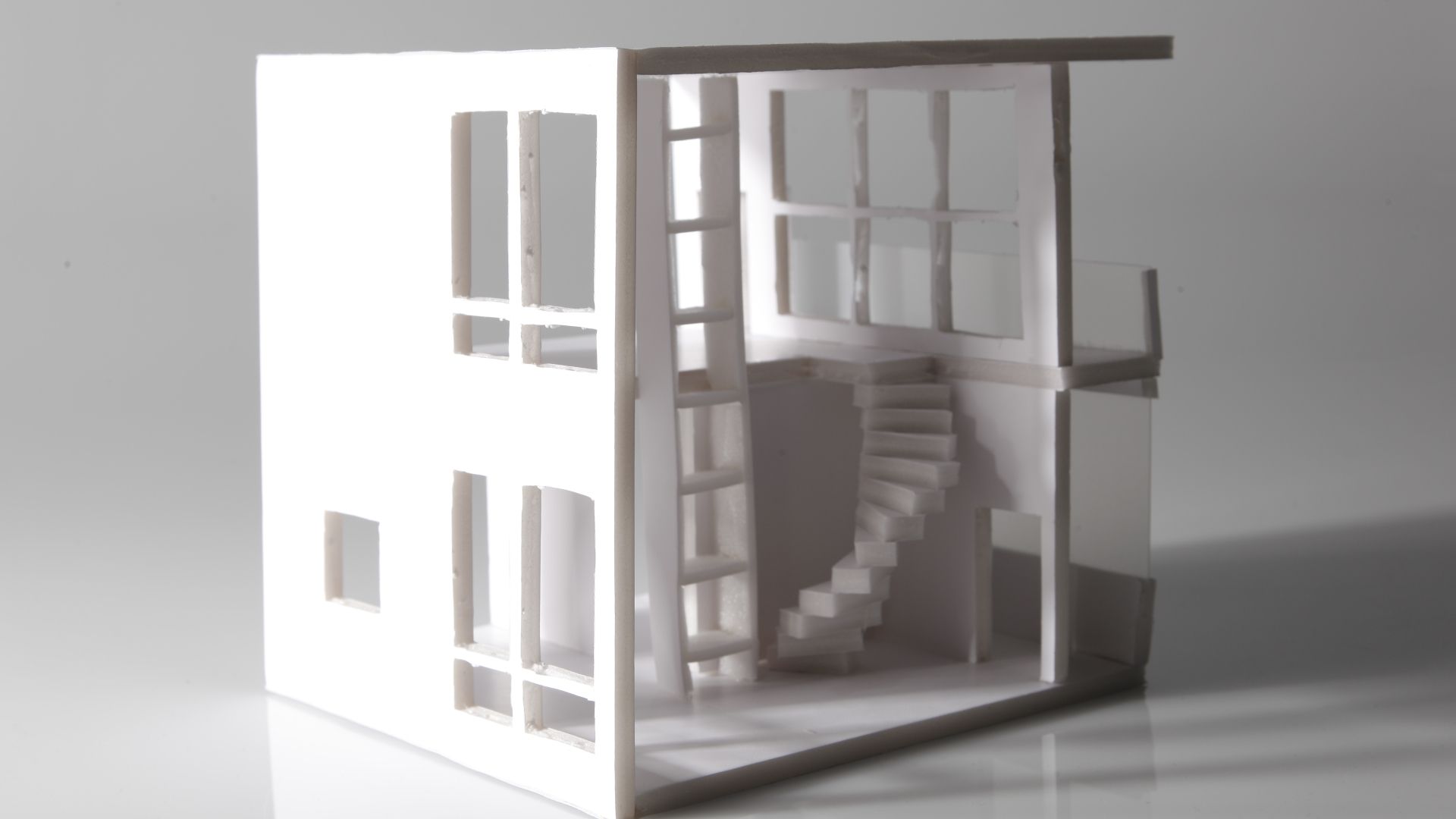
You will be doing a lot of model-making during this course, so you can never have enough materials. During the first year you will be exploring different materials such as white foam board 2mm, grey board 1mm and balsa wood. It may be useful if you tested out these materials before you start the course in order to allocate your favourite one. These materials are quite hard to find in shops such as WHSmith’s or Hobby Craft so you will have to order these online. Ensure you have enough time in advance for it to be delivered.

2) Familiarise yourself with AutoCAD
This is the first online design tool you will be taught to use. There is a lot of commands that you will need to learn which can be quite overwhelming at first. So, whether you play around on AutoCAD or watch a couple of start-up YouTube videos, this will make things a lot easier for you.

3) Attend as many lectures as possible
You may hear people on other courses say, “first year doesn’t count”, but for an Interior and Spatial Design student it does. You will learn the fundamental basics for Interior Design during your first year at university, which will be used throughout the next two years of the course and the rest of your career. You will most definitely learn at least one new thing in each lecture.

4) Always be looking at other designer’s work
It is crazy how much inspiration you will get by taking 10-15 minutes a day scrolling through Interior Design/ Architecture pages online. Arch Daily is a great website to subscribe to as they send you emails on a regular basis about designers and the architectural world. Even following your favourite designers on social media will give you great insight in this area.

5) Think of your teacher as your client
It is great to start doing this as it will get you ready for the real world. Imagine the task breakdown as the wants and needs of your client (teacher). In presentations, present your work as if you are presenting it to a client.
